BENEFITS OF STATIC SITES
Of the many reasons that static sites are coming back into fashion, two stand out:
STATIC SITES ARE FAST
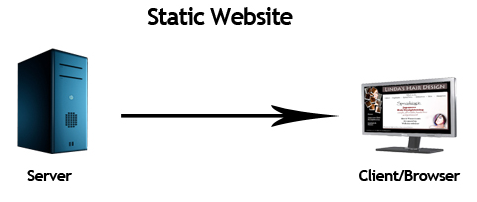
All developers seem to understand that website performance is critical. For example, recent studies have shown that users tend to abandon sites that take longer than three seconds to load (with a load time of under two seconds being considered optimal for mobile). Yet achieving that level of website performance can be difficult. By their very nature, static sites load extremely fast. This is because every visitor is served the exact same HTML without the bottlenecks caused by a server-side language, database, or any kind of dynamic rendering. Plus, static files are extremely easy to cache and serve via a content delivery network (CDN), making them even faster for the end user. In addition, once you eliminate dynamic rendering from a database, you’ve eliminated numerous points of failure that often cause sites to be unresponsive or completely fail.
STATIC SITES ARE SECURE
Sadly, it is not uncommon nowadays for us to hear about a site being the target of a SQL injection or cross-site scripting (XSS) attack, two of the most common types of website security breaches. Oftentimes, hackers gain access to a site via a vulnerability in the code, many times due to an unpatched CMS. However, with a static site, there is no database to breach and no server-side platform or CMS with unpatched vulnerabilities. Speaking from personal experience, even a tightly patched and locked-down CMS can be vulnerable. And finding and then repairing the damage done by a breach can be extremely time consuming and difficult. Obviously, static sites will not eliminate every vulnerability (what will?), but they narrow the window of opportunities available to any hacker and limit the amount of potential damage if a hacker does gain access.
OTHER BENEFITS
While those are the two key benefits of static sites, there are certainly others, including:
*Prices Are Changeable